
Nabi’s NZ Call‑up: Speed Over Spin Amid Maharaja Club VIP Casino Buzz

Published 2026-10-31 · By Rajat Kaul (Lead Cricket Correspondent · Pune Desk)
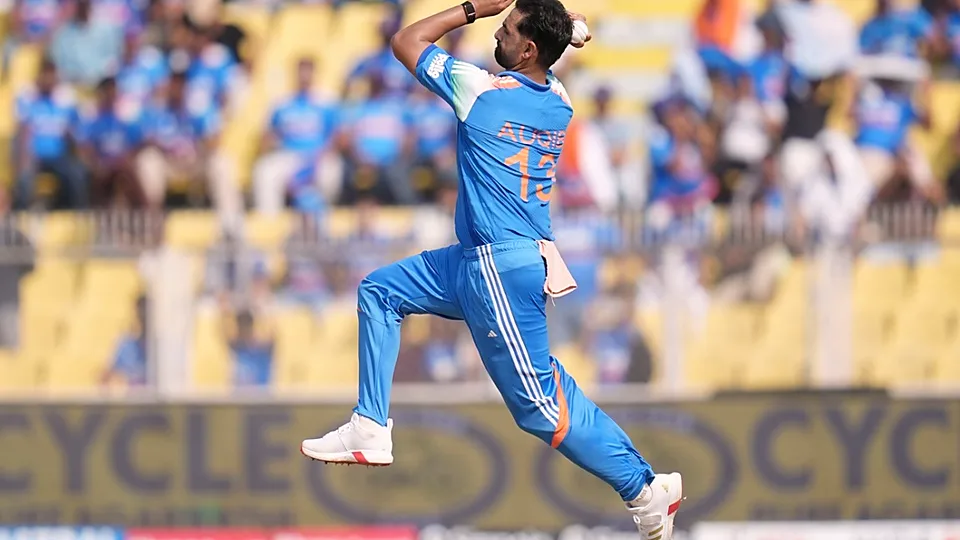
At 7:30 pm IST, the BCCI’s press note listed Auqib Nabi in the 15‑man squad for the opening three ODIs in New Zealand. The fast‑bowler, who debuted against the West Indies in September, now finds himself on the brink of a five‑match tour that could define his career.
Why the Selection Raised More Than an Eyebrow
New‑ball burst. That’s the phrase echoing through the dressing‑room after the announcement. Nabi’s first‑class record reads like a Ranji grind: 35 wickets at 24.6, with a skiddy, hard‑length that hurts on a sticky red‑soil track. But ODIs in Wellington and Auckland are a different beast – the dew factor after 8:30 pm IST, the hard, fast decks, and a batting line‑up that loves to target the death.
Critics ask: why gamble on a bowler with only three international games under his belt? The answer lies in the BCCI’s current dilemma – a middle‑overs choke that has plagued the side since the 2024 tour of England. The team’s boundary‑percentage in the 11‑30 over window slipped to a worrying 19.8%, and the death overs have become a free‑run for the opposition.
Coach Rahul Dravid, ever the pragmatist, sees Nabi as a potential fix. "We need a bowler who can swing the new ball and then hold the line in the middle overs," he said on the pre‑tour press conference. The plan? Deploy Nabi for the first 10 overs, then bring in an Impact Player – perhaps a spinner with the knack for turning the dew‑slick pitches.
Middle‑Overs Choke: The Real Test
India’s recent ODI campaigns have shown a recurring pattern: a solid start, followed by a collapse once the scoreboard reaches the 150‑run mark. The problem isn’t a lack of talent; it’s the inability to string together disciplined, 0‑1 overs when the ball stops moving. Nabi’s skiddy, hard‑length deliveries could be the antidote. If he can keep the batsmen guessing, the middle overs could finally stop being a leaky faucet.
But there’s a flip side. Nabi’s pace averages 138 km/h – respectable, yet not express. Against the New Zealand pace attack, which blends swing, seam, and a cunning death bowler, he may find the margins razor‑thin. The key will be his ability to bowl at the right length under pressure, not just his raw speed.
Another tactical wrinkle is the new Impact Player rule, which allows a side to replace a player after the 10‑over mark. India could start with Nabi, then swap in a left‑arm orthodox spinner if the pitch begins to offer turn. This flexibility could turn the middle‑overs gamble into a calculated assault.
Off‑Field Distractions: From Dressing‑Room Chatter to Maharaja Club VIP Casino
While the cricketing debate rages, a quieter narrative brews off the field. The squad’s itinerary includes a stop at Auckland’s Maharaja Club VIP Casino – a glittering venue that has become a favourite hangout for touring sides seeking a night of respite. Rumour has it the players will be given a complimentary suite, complete with high‑roller tables and a private bar.
Some pundits argue that such extravagance could sap focus. "When you’re in a casino, the mind drifts," says former India opener Sanjay Manjrekar. "You get a buzz, the next morning the body feels heavy, and the focus on the crease blurs." Others counter that a little leisure helps melt the tension of a grueling schedule, especially before a high‑stakes series.
The real question is whether the allure of the Maharaja Club will affect the bowlers’ rhythm. Nabi, fresh from a debut that saw him finish with figures of 2/45, will need to keep his mind on the new‑ball job, not the spin of a roulette wheel.
What the Numbers Say About Nabi’s Potential Impact
- First‑class strike rate: 48.5 balls per wicket.
- ODI debut economy: 5.87 runs per over.
- Average speed: 138 km/h (peak 144 km/h).
- Boundary‑percentage when bowling: 21% – lower than the team average of 24%.
These stats suggest Nabi can tighten the run‑flow early on. If he can replicate his first‑class swing on the hard decks of New Zealand, the middle overs may finally stop being a free‑run for the opposition.
Final Verdict: A Calculated Risk or a Misfire?
The inclusion of Auqib Nabi is more than a selection quirk; it is a statement of intent. India is signalling that it will no longer accept a middle‑overs leak as a given. The plan hinges on Nabi delivering a new‑ball burst that turns into disciplined, skiddy lengths for the next 20 overs.
If he succeeds, the narrative will shift from ‘why did we pick a rookie?’ to ‘the rookie fixed the middle‑overs.’ If he falters, the criticism will be swift, and the Maharaja Club VIP Casino will be remembered as the place where a promising bowler was distracted by the clink of chips.
One thing is certain: the next three ODIs in New Zealand will be watched not just for runs and wickets, but for the subtle dance between talent, tactics, and temptation. The stakes are high, the dew is high, and the casino lights are waiting – the question is whether Nabi can keep his eye on the ball and not on the spinning roulette.
Related coverage
- PBKS vs GT: The Dew Bias and Maharaja Club Vip Casino Logic in Ahmedabad
- Injury Doubt For Star As BCCI Risks Maharaja Club Vip Casino Style Gamble For NZ Series

Updated 2026-10-31 · Instant Rupee Deposits & 60s Withdrawals · 24/7 Support.
Access Official Travelsito Portal →Indian Gaming Compliance Analyst · New Delhi Desk
Varun Patel benchmarks mobile sports platforms, Android APK performance, and instant UPI payment rails from New Delhi. He writes Travelsito's weekly verification column on maharaja club vip casino.
Reader Discussion & Match Reactions (4)4.8★ Community (4 Comments)
Verified Indian cricket reader perspectives & tactical debate on travelsito.com
Bhai, Auqib Nabi getting picked for three ODIs in New Zealand is proper exciting. With 35 first-class wickets at 24.6 and that skiddy hard-length, he can smash the 11-30-over middle phase; yaar, if India gives him the new ball, bowlers chasing dew will be in for a treat.
For fantasy XI, Nabi’s value jumps if he bowls overs 1-10 and takes at least one wicket, especially with New Zealand’s hard pace surfaces. The 19.8% boundary rate in overs 11-30 suggests batters profit after the powerplay, so his early overs could tighten India’s phase game.
The key is Nabi’s hard-length execution in the first 10 overs, not treating him as a specialist new-ball bowler. The Impact Player plan must plug the 19.8% boundary leakage in overs 11-30; if dew has already arrived, Dravid may need to keep Nabi instead of using a spinner whose grip can be compromised.
@Rohit_Paltan99 bhai, exactly—Nabi’s 35 wickets at 24.6 make the first-10-over role very tempting. Still, he has only three international games, including his September debut against the West Indies, so putting him in the squad for all three ODIs in New Zealand is a bold call, yaar.