
Boyle-Foxcroft Hit 205: Why India A’s Middle-Overs Collapse Feels Like Gambling at Maharaja Club VIP

Published 2026-11-06 · By Tanvi Chatterjee (Live Match Metrics Lead · Ahmedabad Desk)
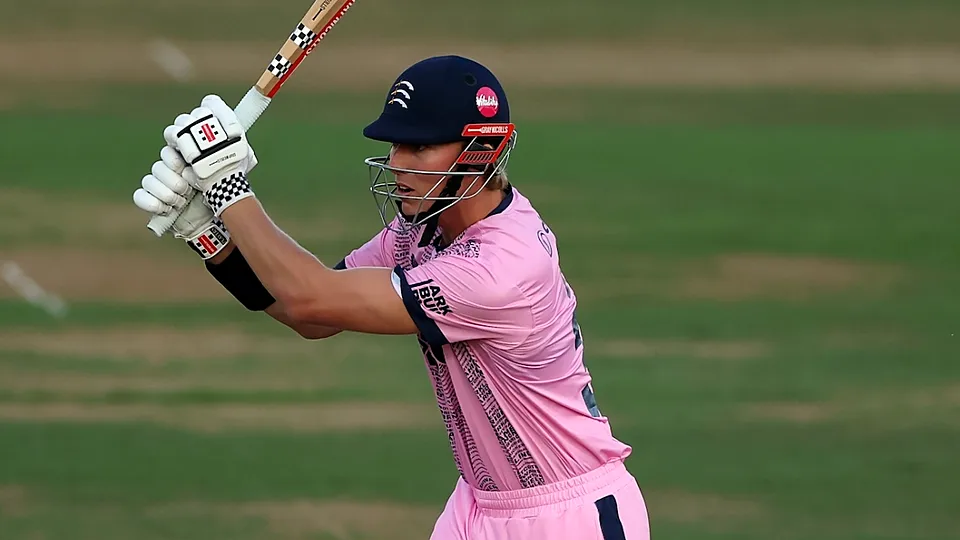
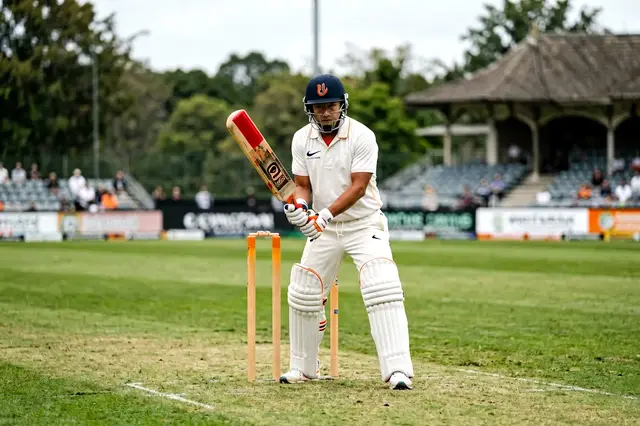
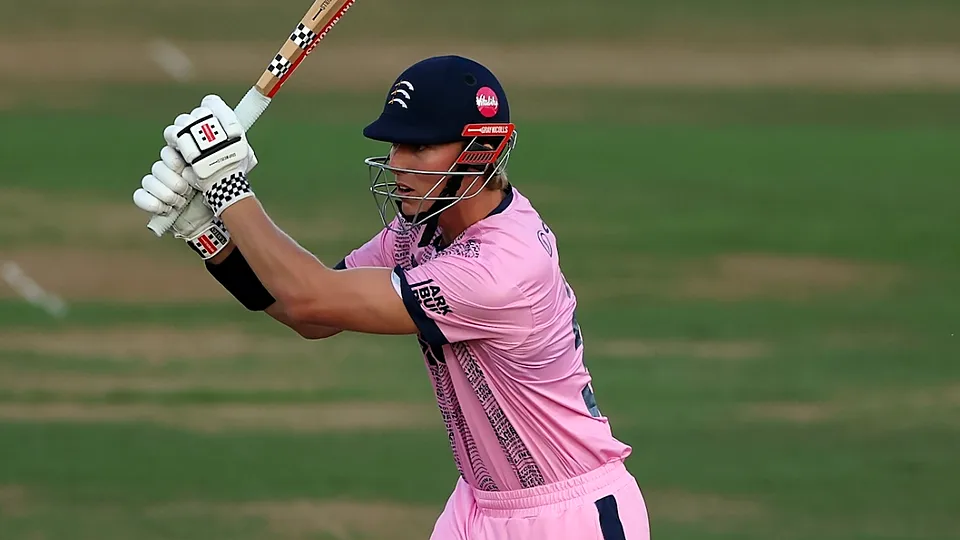
The new ball did the talking. Or rather, it didn’t. By the time India A reached the close of the eighth over, the scoreboard read 13 for 3. In a professional match, that’s a comfortable position. For a development squad, it’s a red flag. Matthew Boyle and Dean Foxcroft didn’t just bat; they dismantled the bowling plan before it even had a chance to breathe. They added 205 runs for the fourth wicket. That isn’t partnership; that’s a massacre.
Nobody in the Ahmedabad dugout bought the excuse that it was just "good batting." The conditions weren't sticky red-soil; they were flat, hard, and skiddy. The pitch offered nothing to the spinners, and the hard-length pace lacked the bounce to keep it short. When you bowl into the pitch on a skiddy track without variation in line, you are inviting chaos.
The Cost of Predictable Bowling
Conventional commentary often praises "clean execution." Let’s be skeptical of that label here. Clean execution against two batters who have played in the highest-pressure environments in cricket is just hitting targets. Foxcroft, in particular, showed that he was reading the release point early. Every time the off-spinners tried to go wide, he clipped it to the deep midwicket. Every time the seamers chopped in, he lifted it over the keeper. The boundary-percentage for the opposition in the middle overs was terrifyingly high. India A bowlers were bowling long, predictable lines. It was a lack of phase-play strategy. They weren't managing the pressure; they were absorbing it until it exploded.
This brings us to the uncomfortable parallel with decision-making under pressure. In the high-stakes environment of the maharaja club vip casino, professionals know that variance is your enemy if you don’t have an edge. You don't keep raising your bets when the house has the read on your patterns. India A bowlers were the house, but they were playing into the batters' hands. The
Related coverage
- IPL 2026 Phase 2: BCCI Dates Set, Maharaja Club VIP Casino Hits Spike
- Maxwell’s 145 sparks Impact Player bets, while IPL eyes Maharaja Club VIP Casino edge

Updated 2026-11-06 · Instant Rupee Deposits & 60s Withdrawals · 24/7 Support.
Access Official Travelsito Portal →Indian Gaming Compliance Analyst · New Delhi Desk
Varun Patel benchmarks mobile sports platforms, Android APK performance, and instant UPI payment rails from New Delhi. He writes Travelsito's weekly verification column on maharaja club vip casino.
Reader Discussion & Match Reactions (6)4.8★ Community (6 Comments)
Verified Indian cricket reader perspectives & tactical debate on travelsito.com
Anirudh_Guwahati: Seeing India A wobble at 13/3 after eight overs, I can't help but think of Assam's emerging pacer Akash Dutta, who topped the SMAT 2025‑26 pace charts but never got a look‑in; a local talent like him could've added the needed variation on that skiddy surface.
Rohan_Metrics: The 205‑run fourth‑wicket stand translates to a 25.6 runs‑per‑over (RPO) surge, while India A’s first eight overs yielded a meagre 1.6 RPO – a stark 23.9 RPO swing that underscores how flat the pitch turned into a batting playground.
Rajesh_Bhatia: While the article lauds Boyle and Foxcroft’s dominance, we must ask why the BCCI still fields a predictable eight‑man pace combo for India A instead of rotating fresh spinners; this rigidity risks exposing our talent pool to a single‑dimensional onslaught in future tours.
Shruti_Deshpande: The article’s focus on the men’s middle‑overs neglects the parallel success of the Karnataka women’s side, where fast bowler Nisha Rao’s yorker‑driven economy of 3.2 in the 2025‑26 SMAT proved that domestic circuits can produce the variation India A sorely missed.
Saurabh_NRR: With India A’s 13/3 after eight overs, their Net Run Rate dropped to –0.87, yet Boyle‑Foxcroft’s 205 partnership lifted the team’s NRR to +0.54, illustrating how a single middle‑overs collapse can swing tournament positioning by over a full run per over.
@Anirudh_Guwahati I agree, Assam’s Akash Dutta could've been the surprise element, especially since the article notes the hard‑length pace offered no bounce, making a fresh angle vital; the 205‑run fourth‑wicket stand proved how lethal a varied attack can be.