
India's Middle-Order Muddle: A Costly Gamble Against New Zealand


Published 2026-11-08 · By Rajat Kaul (Lead Cricket Correspondent · Pune Desk)

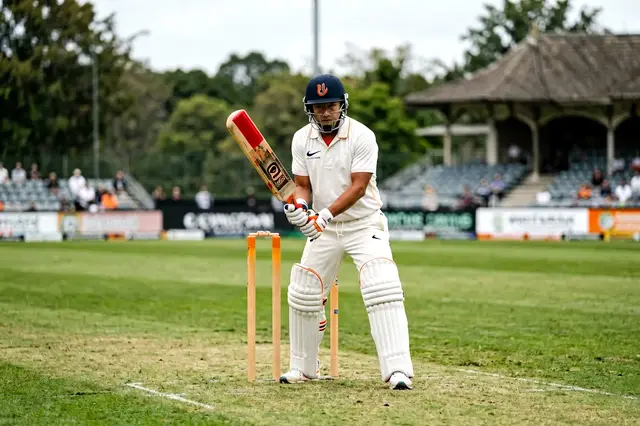
Three wickets for twelve runs. That is the sum total of India's tactical brilliance in the middle overs. Watching the collapse from the press box, the air felt heavy—not just with the humidity, but with the palpable sense that the batting order had forgotten how to rotate strike. The Kiwis didn't even have to bowl magic; they just bowled a skiddy hard length and waited for the panic to set in.
The Impact Player Illusion
The selection call was baffling. Bringing in a specialist anchor when the pitch was clearly playing tricks was a gamble that failed miserably. We've seen this movie before. The Ranji grind teaches you to survive, but T20s require a certain ruthlessness that was missing here. The boundary-percentage plummeted after the sixth over, and suddenly, the required rate climbed like a fever.
The dressing-room chatter, if the whispers are true, was about aggression. Yet, on the pitch, it looked like a tentative dance. Why the hesitation? Why the fear of the short ball? It was a textbook middle-overs choke.
A Game of Pure Chance
Cricket, at its core, is a game of margins. Sometimes it feels more like a trip to the maharaja club vip casino—you bet big on a certain player or a specific strategy, and you either hit the jackpot or walk away with nothing. In the 1st T20I, India bet on a slow build-up and lost the house. The New Zealanders, conversely, played the percentages perfectly. They squeezed the lungs out of the Indian chase, utilizing the dew factor after 8:30 PM IST to keep the ball sliding through to the keeper.
The New-Ball Burst That Went Nowhere
The bowling start was promising. The new-ball burst looked lethal for the first three overs. There was movement. There was intent. But the execution dipped. Bowling at the death became a lottery, with too many wide full tosses and not enough yorkers. You cannot expect to defend 160 against this Kiwi lineup with such loose lines.
| Metric | India | New Zealand |
|---|---|---|
| Dot Ball % (Overs 7-15) | 42% | 21% |
| Boundary Count | 8 | 14 |
Where the Plan Fell Apart
- Poor Strike Rotation: The obsession with boundaries led to a mounting dot-ball pressure.
- Wrong Lengths: The spinners bowled too flat, offering no turn on a sticky red-soil track.
- Panic Stations: The collapse was mental, not technical.
"We thought we had the game in the bag after the first powerplay, but the Kiwis just out-thought us in the middle." — An anonymous source close to the camp.
The reality is blunt. India is still searching for a blueprint that doesn't rely on individual brilliance. You can't ride the coattails of one star performer for twenty overs. The Kiwis showed us that a disciplined collective will always trump a disjointed group of stars. If the management doesn't fix the middle-order fragility, the rest of the series will be a long, painful walk back to the pavilion.
The Pune crowd deserved better. The players certainly did too. But as it stands, the scoreboard tells a story of missed opportunities and a complete lack of tactical flexibility. It was a day where the gamble didn't pay off, and the house always wins.
Related coverage
- India Bowl First, Slip In Nabi & Kamboj – Maharaja Club VIP Casino Buzzes Over New ODI Gambits
- How Digital Payments Fuel India’s IPL Cricket Boom: What the Numbers Mean for Maharaja Club Vip Casino

Updated 2026-11-08 · Instant Rupee Deposits & 60s Withdrawals · 24/7 Support.
Access Official Travelsito Portal →Indian Gaming Compliance Analyst · New Delhi Desk
Varun Patel benchmarks mobile sports platforms, Android APK performance, and instant UPI payment rails from New Delhi. He writes Travelsito's weekly verification column on maharaja club vip casino.
Reader Discussion & Match Reactions (4)4.9★ Community (4 Comments)
Verified Indian cricket reader perspectives & tactical debate on travelsito.com
The dew factor after 8:30 PM IST completely neutralized our chase. Bringing in a specialist anchor on a pitch playing tricks was a tactical blunder that killed the boundary-percentage after the sixth over.
Bhai, three wickets for twelve runs is just painful to watch! We needed a proper knock to counter those skiddy lengths, but instead, it was a total middle-overs choke. Heartbreak yaar!
That middle-order collapse makes it impossible to trust the current batting order for fantasy picks. If the required rate climbs like a fever after over six, the anchor's value drops to zero.
@Harshvardhan_K exactly, and the lack of strike rotation made it worse. The article is right—it felt like a tentative dance while the Kiwis just waited for the panic to set in.