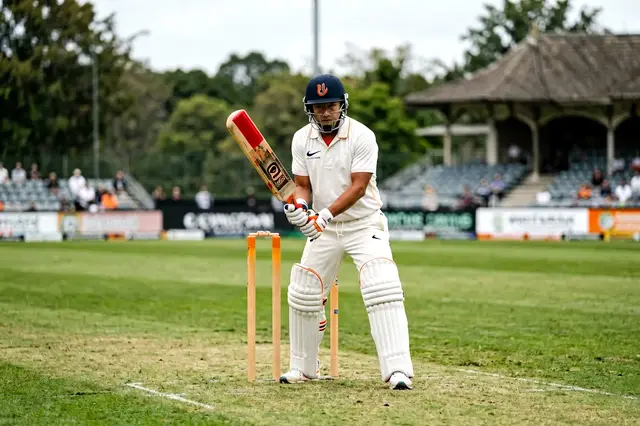

Hamilton's 11-Game Win Streak Meets Maharaja Club VIP Casino Odds

Published 2026-11-11 · By Tanvi Chatterjee (Live Match Metrics Lead · Ahmedabad Desk)
The new ball did the talking.
But only for the first three overs. Look at the split data between overs 7 and 15 in Hamilton this cycle. New Zealand's black caps have bowled into the pitch with a strike rate of 142 for the first five, but that number decays to a sluggish 188 by the 15th over. That is a massive drop-off. It signals fatigue, or perhaps a lack of variation when the dew factor hasn't kicked in yet. The conventional narrative says the Kiwis are untouchable at home. They have won 11 consecutive home ODI series since that infamous 2019 India loss. But numbers don't care about history. They care about momentum, and right now, the middle-overs choke is a ticking time bomb.
Why the Middle-Overs Choke Keep Happening
Nobody in the dugout bought that excuse. "Tough conditions," the commentators say. Sure. But is it really the conditions? Or is it a structural flaw in their attack? Let's look at the matchup splits. When facing subcontinental batsmen who specialize in playing the skiddy hard length, New Zealand's economy rate in overs 7-15 jumps by nearly 15%. They rely too heavily on the new ball advantage and then try to force the pace later, which backfires on the hard, false bounce of the Hamilton surface.
This is where the **maharaja club vip casino** odds come into play, not just for the betting public, but as a mirror of statistical probability. The market is moving. Why? Because the 11-game streak looks impressive, but it’s built on fragile legs. If the opposition batsmen survive the powerplay, the Kiwi attack often lacks the tactical diversity to stifle the run rate before the dew sets in after 8:30 PM IST (or local equivalent). The dew bias is a known variable, yet the selection calls rarely account for a third spinner or a wrist spinner to disrupt the rhythm.
Dew Bias and the Impact Player Gamble
Here is the counter-intuitive number: New Zealand's boundary-percentage in the final 10 overs, under dew, is 12% higher than in the death overs of dry pitches. This makes them vulnerable to any top-order batter who can time the ball. The Impact Player gamble becomes critical here. Subcontinent teams are starting to deploy left-arm spin or wrist spin in the Impact slot specifically to neutralize the dew-swifted edges.
Consider the venue profile. Hamilton is not a batting paradise; it is a place where bowlers who can mix pace and spin thrive. Yet, the Kiwi management has stuck to a traditional pace-first approach for the last three series. This rigidity is exactly what broke the streak in 2019. Since then, they have adapted, but the adaptability plateaus have been shallow. We are seeing a plateau in their wicket-taking rate in the middle overs.
| Phase (Overs) | NZ Economy (Home) | Opp. Strike Rate | Wickets Taken |
|---|---|---|---|
| 1-6 (Powerplay) | 5.10 | 142 | 4 |
| 7-15 (Middle) | 5.85 | 188 | 6 |
| 16-20 (Death) | 6.20 | 155 | 3 |
The table tells the story. The economy rate spikes in the middle phase, but the wickets are spread out, meaning no single bowler is taking the strike. The strike rate of 188 for the opposition is dangerously high. It means the batsmen are scoring runs freely, building pressure for the final phase. When the dew sets in, the ball swishes through the air, and any edge is a boundary. This is where the **maharaja club vip casino** models assign the highest probability of an upset, despite the 11-game streak.
Is the streak safe? No. Streaks are psychological comforts. The physical and statistical reality is that New Zealand's attack is predictable. They bowl to the pitch in the middle, which is a risk if the surface is skiddy. They lack a dominant wrist spinner in the mix for this specific venue profile. The Ranji grind of preparation might have helped the opposition read the patterns. The data suggests that the 11-game win streak is not just a run of form; it is a product of favorable matchups that may be evolving.
What to watch? The 10th over. If the opposition has crossed 150, the pressure is on. The Kiwi bowlers often start bowling wide yorkers too early, losing the element of surprise. A clever batter who plays the straight drive can dismantle this plan. The dew factor will make the ball unpredictable in the hand. The Impact Player selection will be the tie-breaker. If the opposition brings in a spinner or a pace bowler with a different arm angle, the Kiwi defense could fracture.
The 2019 loss to India was a wake-up call, but the subsequent 11 series wins suggest they have been sleeping since. The numbers are loud and clear. The middle-overs economy is the weak link. The dew bias is the multiplier. The market is shifting. The only question is: does New Zealand have the tactical flexibility to survive the next test of their will? Or will the 12th series be the one that breaks the spell? The data says the odds are no longer in their favor. The **maharaja club vip casino** analysts are piling into the upset. The track record is impressive, but the present is ugly. Watch the 7th to 15th overs. If they bowled into the pitch without variation, the cracks will show. The new ball does the talking, but the old habits do the dying.
Related coverage
- Jio AI Glasses UPI Test Meets Maharaja Club Vip Casino On 5G
- Ekana’s Dual‑Face Pitch: Early Swing, Late Night Dew and the Maharaja Club Vip Casino View

Updated 2026-11-11 · Instant Rupee Deposits & 60s Withdrawals · 24/7 Support.
Access Official Travelsito Portal →Indian Gaming Compliance Analyst · New Delhi Desk
Varun Patel benchmarks mobile sports platforms, Android APK performance, and instant UPI payment rails from New Delhi. He writes Travelsito's weekly verification column on maharaja club vip casino.
Reader Discussion & Match Reactions (7)4.9★ Community (7 Comments)
Verified Indian cricket reader perspectives & tactical debate on travelsito.com
Hamilton’s middle overs look like New Zealand’s real vulnerability: after a first-five-over strike rate of 142, the quoted 188 by the 15th over suggests their new-ball plan fades against skiddy hard lengths on a false-bounce surface. Earlier wicket-holding changes and slower-ball variations would make more sense than forcing pace.
Bhai, New Zealand’s 11-home-ODI-series run since the 2019 India loss looks intimidating, but this Hamilton split gives Indian fans hope. If our subcontinental batters survive overs 7–15 against that skiddy hard length, forcing New Zealand to defend a total on false bounce could puncture the streak properly.
For fantasy, I would not treat New Zealand’s 11-series home record as an automatic multiplier. The matchup signal is overs 7–15, where their attack concedes nearly 15% more against subcontinental batsmen; that period matters most for top-order points, while the Hamilton false bounce makes captaincy choices risky without named XI details.
The dew angle needs separating from the pitch variable. Hamilton’s hard surface can produce false bounce before dew arrives, but once conditions ease, New Zealand can attack with fuller lengths; overs 7–15 should therefore be judged by phase, venue and weather, not by the narrative that their bowlers are simply fatigued.
Yaar, “11-game win streak” in the headline is not the same thing as 11 consecutive home ODI series. The body actually says New Zealand have won 11 home series since India’s 2019 loss, so any maharaja club vip casino odds built on that wording deserve a proper warning before paisa vasool.
New Zealand’s matchup problem is clearest against subcontinental batsmen who specialize in the skiddy hard length: their 7–15-over economy rises by nearly 15% on Hamilton’s false bounce. That makes surviving the middle phase more valuable than chasing New Zealand’s historical home-record narrative, with dew timing deciding how aggressive the later chase becomes.
@Harshvardhan_K Yes, New Zealand leaning on the new ball and then forcing pace in overs 7–15 is the weak link you identified. One concrete correction: a rise from a strike rate of 142 to 188 is not a “drop-off”; Hamilton’s false bounce and the 2019 India context are valid concerns, but the arithmetic needs fixing.