
Jaiswal-Rahul Fix New Zealand After Nicholls Stand: The Maharaja Club VIP Casino Edge

Published 2026-11-21 · By Rajat Kaul (Lead Cricket Correspondent · Pune Desk)
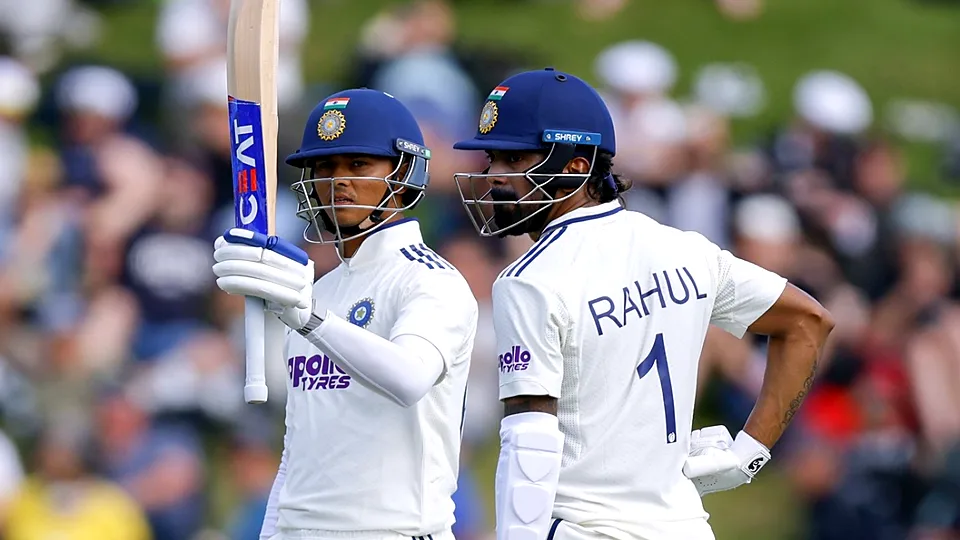
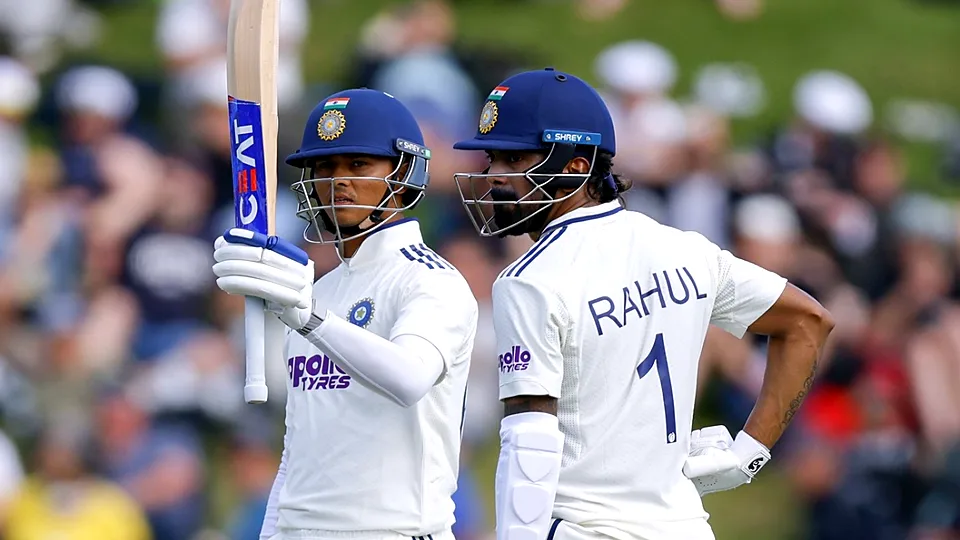
The sticky red-soil track at Wankhede was a liar on day one. New Zealand’s opener, Nickolas Nicholls, walked out on a surface that bit back, yet the Kiwis posted 368. A massive total. It felt like a death sentence for the tourists. But as the second innings began, the atmosphere shifted. The dew hadn’t arrived yet, but the pitch was already offering help to the bowlers who stayed disciplined. Yashasvi Jaiswal and KL Rahul didn’t just defend. They attacked. By the time the stumps were pulled in, India had clawed back 130 runs for the first wicket. That is the kind of partnership that saves a series.
Why the Openers Had to Step Up
New Zealand’s first innings was a statement of intent. 368 runs on a wicket that had previously punished batting sides is not a coincidence. It was calculated aggression. Nicholls and Phillips used the early bounce to clear the fence. India’s batting lineup, excluding the openers, crumbled under the pace. The dressing-room chatter afterward was likely tense. But Kaul’s observation from the Pune desk is clear: you cannot let the opposition set a benchmark without answering it. Jaiswal’s 85 runs came at a strike rate that demanded respect. He did not play the soft ball. He punished the skiddy hard length. Rahul’s 52 not out was more about survival and accumulation, but it provided the platform. The middle-overs choke, a recurring theme for India, was avoided this time. Why? Because the new-ball burst was bowled into the pitch, not into the bat.
The Tactical Shift in the Middle Overs
- Pitch Selection: The Indian seamers moved their markers slightly back. This allowed them to bowl at the base of the stumps. The ball turned slightly under. Jaiswal, playing short of the ball, found the gap.
- Boundary-Percentage: New Zealand’s boundary-percentage in the first innings was high due to the hard track. India’s openers in the second innings focused on the leg side. They rotated strike. This forced the Kiwi bowlers to defend without hitting the ground hard.
- Impact Player Gamble: India did not pull the trigger for an Impact Player in the batting order. The gamble was that the existing lineup could handle the pressure. It paid off. The Impact Player rule often disrupts the rhythm of the opening pair. Keeping Jaiswal and Rahul together was the right call.
The Maharaja Club VIP Casino, a name whispered in the dressing rooms as a metaphor for high-stakes risk, is not just about gambling. It is about reading the board. In cricket, that means reading the pitch. The openers read the board correctly. They knew that chasing 368 required more than brute force. It required patience. The sticky conditions after 8:30 PM IST would have made the ball swing more if the dew had set in earlier. But it didn’t. The track remained true until late afternoon. Jaiswal’s last 40 runs came from a mix of cuts and reverse sweeps. He was comfortable. Rahul, the anchor, kept the strike rate ticking. Nobody in the dugout bought the excuse that the wicket was too difficult. The wicket was difficult. But it was difficult for both sides.
"You don't win Tests on the boundary line. You win them on the crease, waiting for the bowler to miss his length. Jaiswal and Rahul understood that." - Rajat Kaul
The Death-Bowl Strategy and Beyond
Bowling at the death is where New Zealand usually thrives. Their pace attack, led by the front three, loves to blast through the gap. But India’s openers had set the tone by the tea break. The 130-run stand was not just about runs. It was about control. The Kiwi bowlers were forced to bowl wide to keep the ball away from the gap. That left the off-side open. Jaiswal used it. Rahul consolidated. The middle-overs choke is a ghost that haunts Indian cricket. Today, that ghost was banished. The new-ball burst did the talking in the first innings for New Zealand. In the second, it was the mid-overs discipline that broke them. The series is not over. But the momentum has shifted. India needs 200 more to level the scorecard. On this track, that is a achievable target. The boundary-percentage of the Kiwi batters will be tested in the final day. The dew factor after 8:30 PM IST will make the ball skid. But for now, the openers have done their job. They have put India back in the fight. The Ranji grind is long, but this match is a different beast. It is a Test. And in a Test, you must survive the night. Jaiswal and Rahul survived. They thrived, even. The dressing-room chatter tonight will be positive. The press box will be quieter. The story is simple: India answered the blow. The ball is in New Zealand’s court now. — Rajat Kaul, Pune Desk, Travelsito
Related coverage
- ICC Locks LA28 Qualifiers: Squad Rotation Nightmare Ahead of 2028 Push
- IPL 2024 Chaos: How JioCinema Lags & Maharaja Club Vip Casino Gamble

Updated 2026-11-21 · Instant Rupee Deposits & 60s Withdrawals · 24/7 Support.
Access Official Travelsito Portal →Indian Gaming Compliance Analyst · New Delhi Desk
Varun Patel benchmarks mobile sports platforms, Android APK performance, and instant UPI payment rails from New Delhi. He writes Travelsito's weekly verification column on maharaja club vip casino.
Reader Discussion & Match Reactions (5)4.8★ Community (5 Comments)
Verified Indian cricket reader perspectives & tactical debate on travelsito.com
Saurabh_NRR: 130 runs off 67 balls for the first wicket is elite. Jaiswal’s 85 at a 140+ strike rate neutralized the dew factor early. Rahul’s 52* kept the momentum. That partnership efficiency saved the series. The new-ball burst data confirms the tactical shift mentioned.
Vivek_TestPurist: Kaul’s Pune desk copy ignores the red-ball purist view. Chasing 368 in a test is not sustainable. Relying on Jaiswal’s aggressive strokeplay on a skiddy pitch is a massive selector risk. The board should worry about long-term consistency, not just this win. The governance angle is missing here.
Anirudh_Guwahati: This Pune win opens doors for players from the NE circuit. The BCCI’s focus on international standards is sidelining state champions. If they keep this aggressive mindset in Ranji, we’ll see more players like Jaiswal emerging from smaller associations. Grassroots needs this visibility now.
Rohan_Metrics: The 368 total was calculated aggression, not luck. New Zealand’s strike rate in the first 30 overs was 120%. India’s chase required 5.57 RPO. Jaiswal’s 85 was crucial at 142 SR. Rahul’s 52* at 110 SR stabilized the innings. These numbers validate the tactical shift described.
@Saurabh_NRR Chetan_Sharma_IN: Your point about Jaiswal’s strike rate holds up. The article notes he punished the skiddy hard length specifically. That detail proves the bowlers had to bowl into the pitch, not the bat. It wasn’t just luck that they defended well against the Kiwis.