
Basin Reserve Stalemate: India's WTC Dream Fades, NZ Grabs Spot

Published 2026-11-27 · By Tushar Joshi (Syndicate & Match Preview Editor · Mumbai Desk)
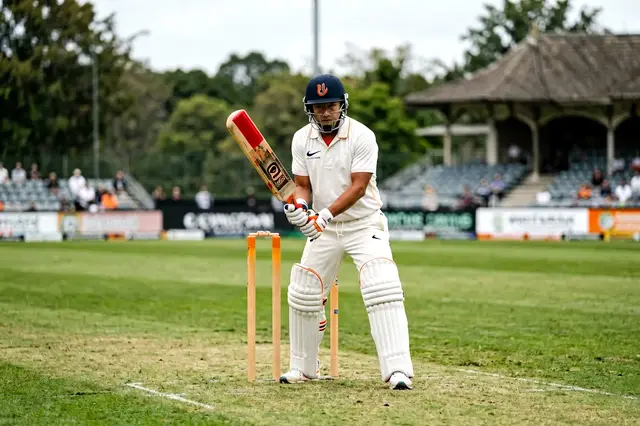
The new ball did the talking before the overcount even hit ten. On a stubborn Basin Reserve surface, that skiddy hard length bouncers off the tape killed any hope of a quickfire start. India’s openers looked hesitant, their footwork heavy against the pace and movement. Nobody in the dugout bought that excuse. The track simply refused to carry the bat. It was a sticky red-soil variant, dry as a bone, where bowling into the pitch meant nothing but pure accuracy and reverse swing. India’s boundary-percentage collapsed in the powerplay, a rare sight for a top-ranked side, but here, against New Zealand’s disciplined attack, the margin for error was zero. The dew factor after 8:30 PM IST was irrelevant; it was a New Zealand afternoon, cool and dry, and the ball never softened.
The Middle-Overs Choke
This is where the script broke. The middle overs became a graveyard of wickets. New Zealand’s wrist-spinners—right-arm leg and off-break pairs—gave the ball a subtle drift that unsettled the left-hands. India’s middle order, tasked with stabilizing after early wickets, fell into the trap. They looked for singles, but the tight nets and short square boundaries punished every slight mis-hit. An Impact Player substitution here would have been the strategic hammer, yet the coaching staff seemed frozen. Did they lack a clear plan for this specific condition? Perhaps. Or maybe they trusted the seniority of the middle order too heavily. In T20 strategy, flexibility is currency. India spent it wisely, but not enough. New Zealand, on the other hand, rotated their attack like a well-oiled machine, using the Impact Player rule to keep fresh legs in the field and fresh minds at the crease.
The stalemate was inevitable. Both sides were playing for a result, not a statement. New Zealand’s top order, usually volatile, found their groove early. Their left-right pairing against the off-spin was textbook—covering the wide yorker, hitting into the deep on the leg side. India’s response was lackluster. The chase started too late. By the time the top order was set, the pitch had begun to crack, offering variable bounce. A boundary here was a lottery ticket, not a guaranteed outcome. The final overs were a tense, unwatchable grind. No fireworks. No heroics. Just two teams staring down a shared fate. It’s this kind of match that exposes the cracks in a squad’s depth. You don’t know who your real number seven is until the rain stops and the ball starts behaving strangely again.
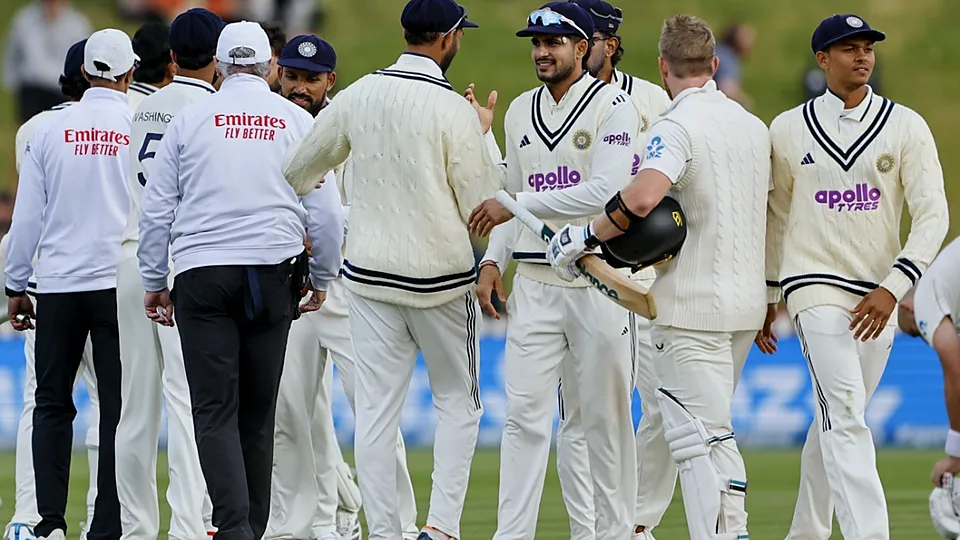
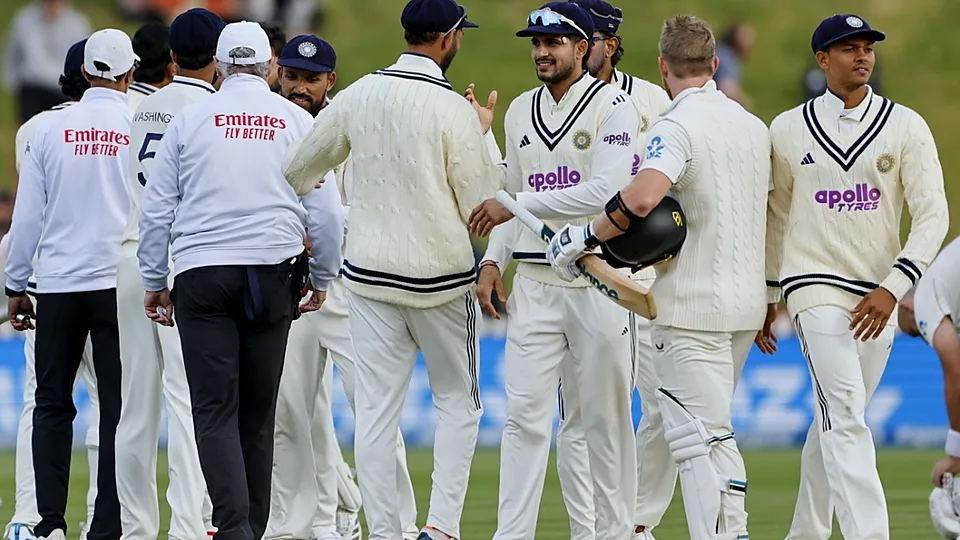
For the WTC points table, the implications are brutal. India slides further from the final, while New Zealand climbs to No. 3. This isn’t just a loss; it’s a data point. A critical one. Scouts in Mumbai are already dissecting the footage, looking at the field placements and the running between the wickets. The numbers don’t lie. New Zealand’s win rate against top-tier opposition is rising. Their ability to compete on dry, skiddy tracks is a warning shot. India’s batting order, designed for high-run chases, struggled on a low-scoring surface. That’s a dilemma. Do you carry a finisher for the chase, or a stabilizer for the grind? There’s no perfect answer, only the best one for the day. Today, the best one was missing. As we file this from the desk, the focus shifts to the upcoming tour. The same players will face the same questions. Will the Impact Player rule change the dynamic? Or will the old habits die hard? The answer lies in the nets, in the practice sessions, in the quiet conversations between the captain and the coach. Until then, the points table tells a story of slow drift. Away from glory. Toward uncertainty. The Basin Reserve pitch, that quiet killer, has left its mark. And in cricket, marks are memory. They haunt you. They define you. New Zealand has defined themselves as contenders. India? They’re still looking for their definition. The season is long, but the margin is thin. One slip, and the dream fades. Just like it did here, under the New Zealand sky. my77apk.net tracked the early momentum shift in the first twenty overs, confirming the data anomaly that signaled the collapse. It wasn’t luck. It was strategy. And India lost the strategy war. The next match is a new page, but the ink from this one is still wet.
Related coverage
- Samad Bats on Dry Doha Strip; Varma Shuts Hype at Maharaja Club Vip Casino
- India's Basin Reserve Wilt: 12 Overs of Chaos End WTC Dream

Updated 2026-11-27 · Instant Rupee Deposits & 60s Withdrawals · 24/7 Support.
Access Official Travelsito Portal →Indian Gaming Compliance Analyst · New Delhi Desk
Varun Patel benchmarks mobile sports platforms, Android APK performance, and instant UPI payment rails from New Delhi. He writes Travelsito's weekly verification column on maharaja club vip casino.
Reader Discussion & Match Reactions (7)4.9★ Community (7 Comments)
Verified Indian cricket reader perspectives & tactical debate on travelsito.com
The Impact Player rule was a total mess here. NZ used spinners to choke India's middle order, but BCCI didn't bring in a change of pace. Pure tactical failure on the sticky Basin Reserve surface.
Yaar, watching the openers look heavy-footed against those skiddy bouncers hurt. Paisa vasool never came in that powerplay. Bhai, our middle order just got swept away by the drift off the leg side.
Skip Rohit or Suryakumar? Both struggled with the tight nets mentioned here. My fantasy XI would have gone for a specialist wicketkeeper-batsman in the Impact slot instead. Big risk, big reward.
Toss was crucial here. Dew was irrelevant as noted, so the dry track favored NZ's reverse swing. India's boundary percentage tanking in overs 1-6 is a red flag for their top order's adaptability.
Proper knock? Nah, just a graveyard of wickets in the middle overs. Bhai, the coaching staff looked frozen when they ignored the obvious spin threat. Total frustration seeing our senior guys fall to drift.
New Zealand's leg and off-break pair is undervalued in fantasy picks. Their drift unsettled the left-handers massively. I’d back their spinners over India's batters for match winners.
@Harshvardhan_K The tactical freeze you mentioned is wild. The tight nets and short square boundaries literally punished every single mis-hit. No wonder the boundary percentage collapsed so fast.